Stablecoin Orchestration
Merge is a stablecoin orchestration platform that routes, settles, and reconciles cross-border payments via regulated stablecoin rails, through a single API, without crypto complexity for counterparties.
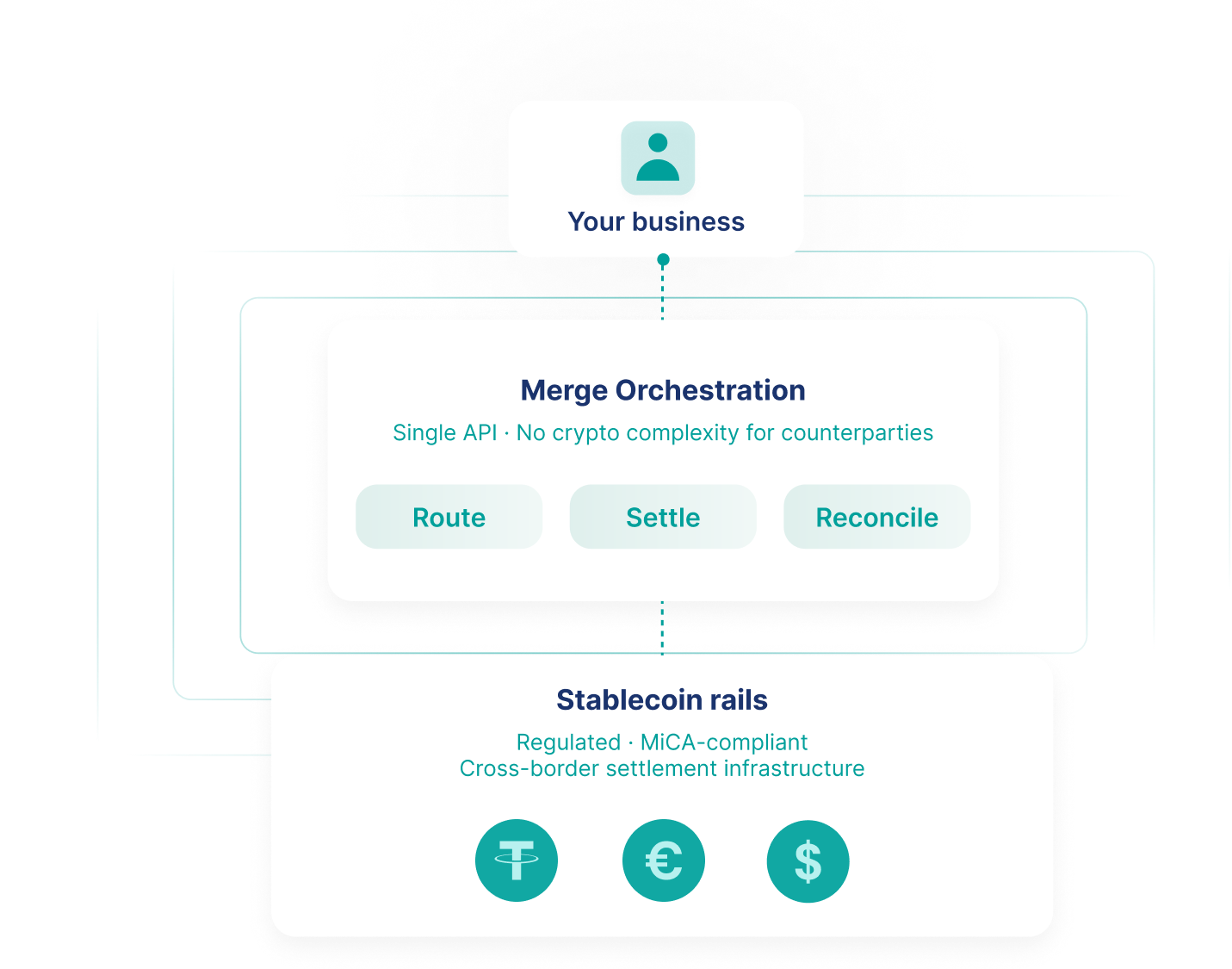


Orchestration is the control layer that determines how funds convert, route, settle, and exit, and stablecoin rails are how we move them.
Without that orchestration layer, each step in the chain is a separate operational problem. Merge connects them.
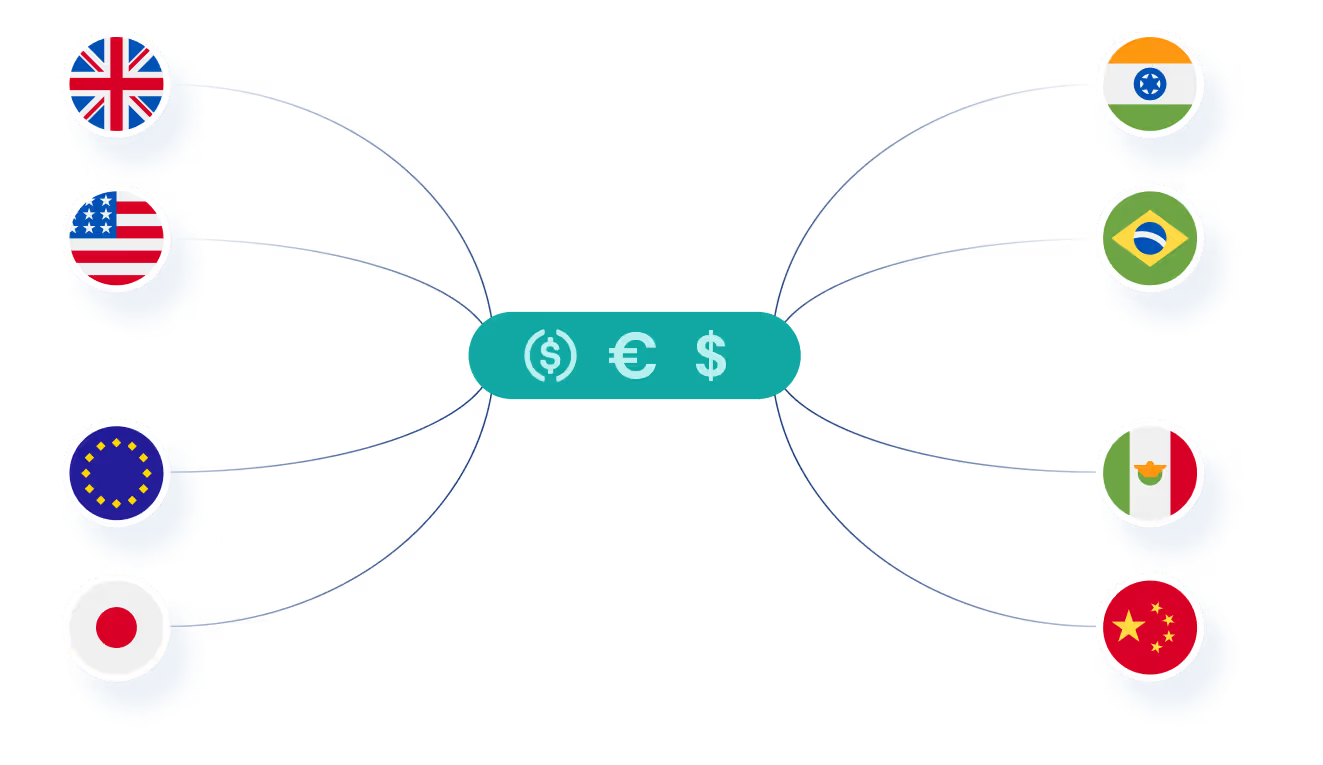
Adopting stablecoin payment rails does not automatically produce orders. The hard problems were never the blockchain step; they were everything around it.

Each on-ramp provider, corridor, and payout route operates independently. Nobody owns the sequence.

A provider goes down in one corridor. Payments queue or fail with no automatic fallback.

The fiat leg and the on-chain leg live in different systems. Matching them is manual.

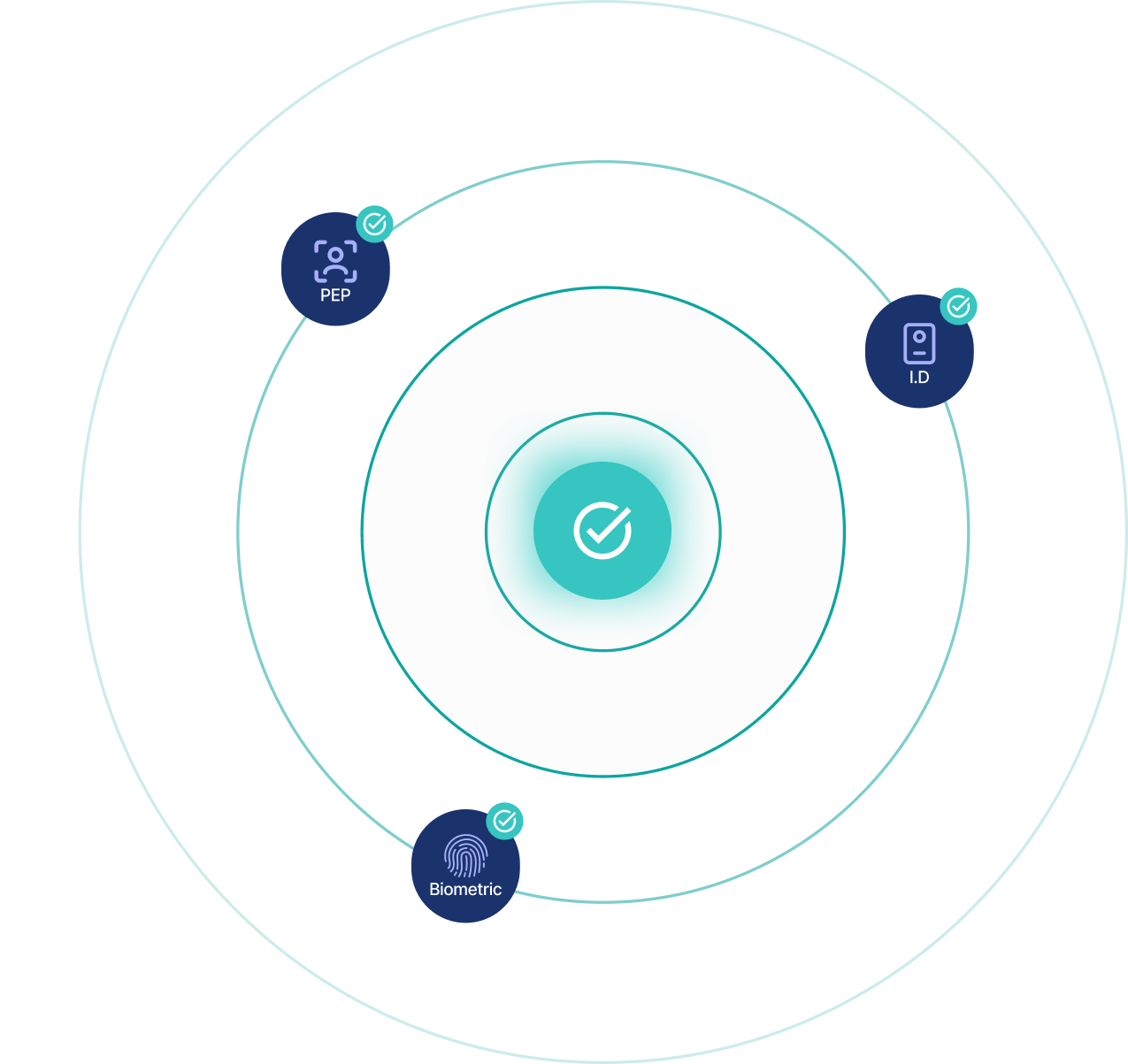
Screening runs in a separate workflow from the payment instruction, not before it executes.

Balances across fiat accounts, stablecoin wallets and sub-accounts require separate logins
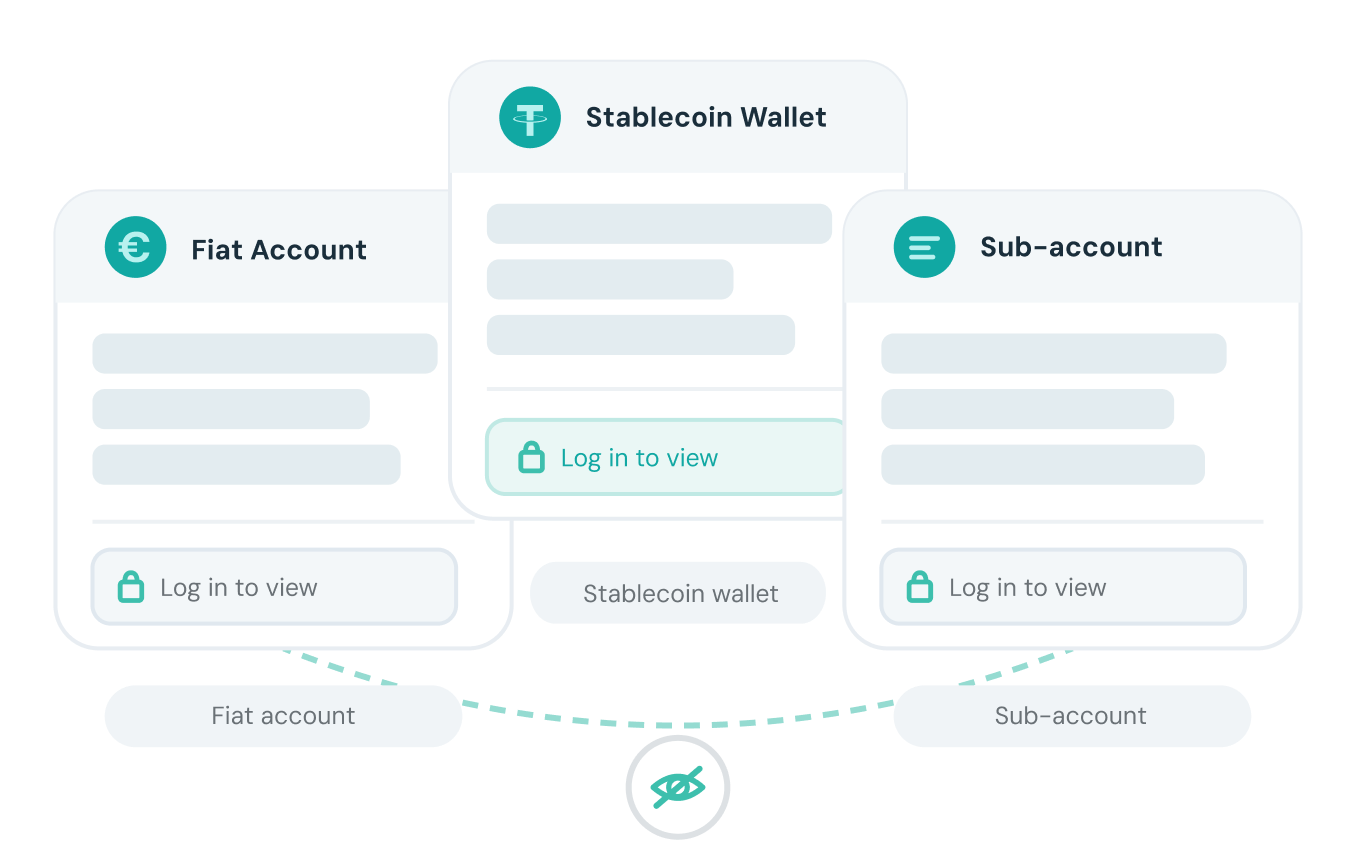
These are orchestration problems. Stablecoins do not solve them. A coordination layer does.
Talk to the Merge team and we'll configure the payment infrastructure that fits your use case.
Six functions, coordinated from one system. This is the product.


Compliance screening is not a separate workflow that runs alongside the payment. It is triggered within the orchestration sequence, before funds move, on every transaction, and sanctions screening, counterparty checks, and jurisdiction-level controls are applied at the point of routing. For businesses across multiple regulatory environments, compliance runs at the speed of the payment.
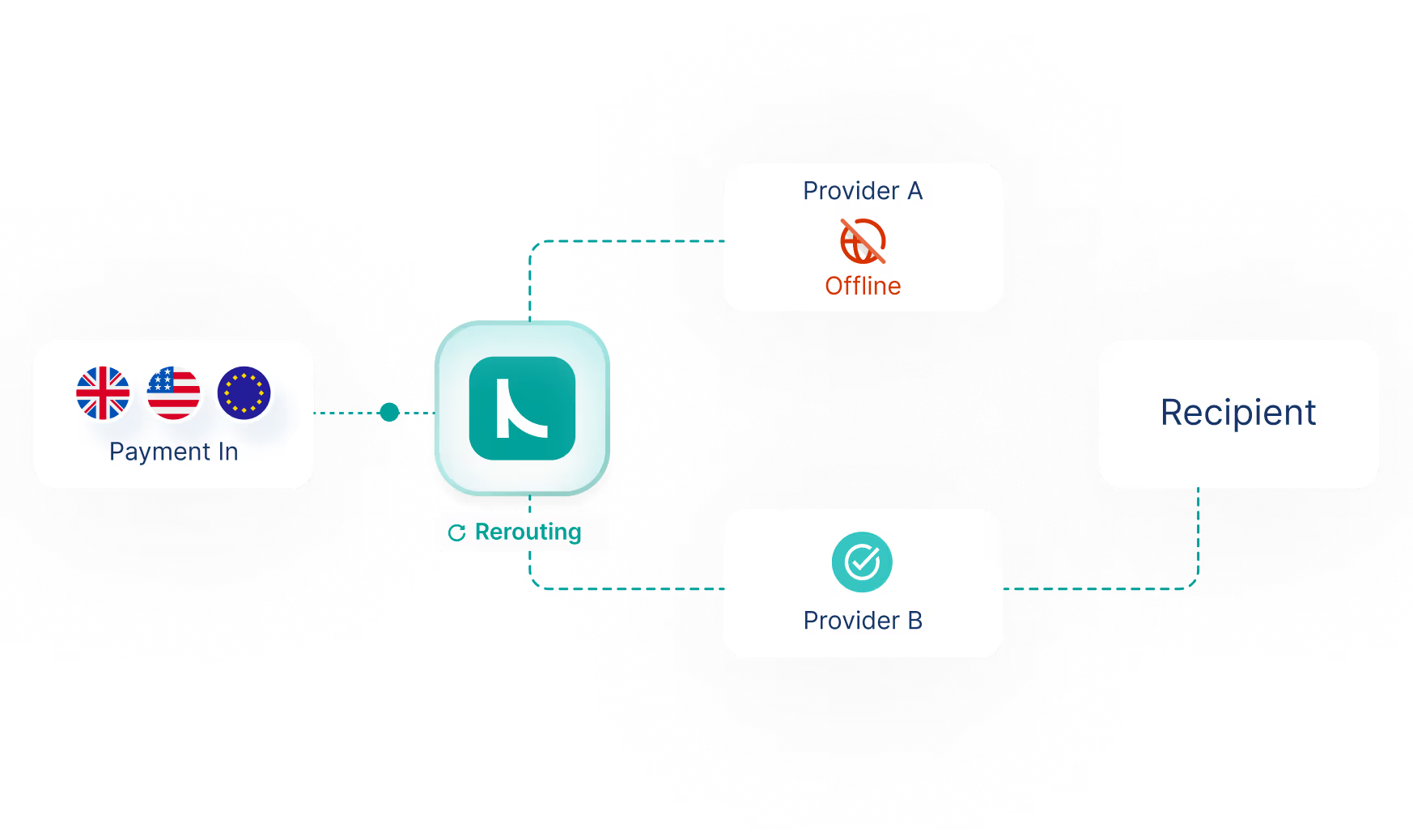
A payment enters via local rails. The orchestration layer triggers conversion, selects the route, monitors settlement, and initiates the off-ramp. If a provider is unavailable, the system reroutes, no manual decision required.
That is what control over money movement looks like in practice: every step working as one continuous flow.


Tell us about your payment corridors. We’ll show you exactly how Merge fits your stack, and what changes when you move to stablecoin rails

Stablecoin orchestration is the infrastructure layer that coordinates how money moves through stablecoin rails, managing conversion, routing, on-chain settlement, payout handoff and reconciliation from one connected system. It is not simply using stablecoins to send payments. It is the control layer that governs every decision in the sequence, across corridors, providers and currencies, automatically.
A payment gateway processes individual transactions at the point of checkout; it has no role in what happens next. Stablecoin payment orchestration manages the entire payment stack: routing logic, provider selection, on-chain stablecoin settlement, reconciliation, and cross-border flows across fiat and stablecoin rails. A gateway handles one moment; stablecoin payment orchestration handles the full treasury lifecycle, including the cross-border leg that traditional gateways can't touch.
The orchestration layer monitors provider availability continuously. If the primary provider for a corridor becomes unavailable, Merge reroutes to the next qualified option automatically. Your team does not intervene. This failover logic is one of the core distinctions between orchestration and direct integration with a single provider.
Correspondent banks add cost, delays, and limited visibility to cross-border payments. Stablecoins such as USDC or USDT cross-border payments remove much of that chain: funds are converted into a dollar-pegged digital asset, moved on-chain quickly, and off-ramped into local currency at the destination. The recipient still receives fiat, but the transfer is typically faster, clearer, and more cost-efficient.


