PLATFORM

Stablecoins in Corporate Treasury Management

Move funds globally in real time, get full visibility across your treasury, and eliminate the friction that slows cross-border operations, all through a single API.
60+
currencies suported
100+
countries on local payment rails
Instant
settlement via stablecoin infrastructure
Tier-1
bank-grade safeguarding
Backed by the best

Why Enterprise Treasury Teams Need a New Operating Model

Traditional banking infrastructure was not designed for the pace or complexity of modern global treasury operations. Treasury teams know this better than anyone, because they live with the consequences every day.

Fragmented banking rails

Multiple banks, currencies, and clearing systems mean every payment is its own project. Treasury management becomes coordination overhead, not strategic work.

Trapped liquidity

Cash locked in regional accounts, tied up in settlement windows, waiting for correspondent banks to clear. Capital sits idle while treasury risk management becomes guesswork.

No real-time visibility

Balances are spread across accounts with no unified view. Reporting is backwards-looking. Decisions get made on stale data, which is its own form of global treasury management failure.

Slow settlement and manual work

SWIFT wires take days. Reconciliation is manual. Cross-border complexity compounds every time you operate in a new region. The cost of doing business keeps climbing.

A modern treasury system built on stablecoin infrastructure

Merge combines stablecoin on/off ramp capabilities with local fiat payment rails across 100+ countries, delivered through a single, unified API. It is not a workaround. It is a purpose-built treasury management system designed for enterprises that move money at scale.

1
Local deposit
Client sends local currency via local payment rails
Variable
2
On-ramp to stablecoin
Merge converts to USDC, held in a regulated wallet
Variable
3
Blockchain transfer
Stablecoin moves to the destination country wallet
Instant
4
Off-ramp to fiat
Converted to the destination currency in the client account
Instant
5
Local transfer
Funds arrive at the recipient’s bank via local rails
Instant
Stablecoin Treasury Management for Enterprises

Built for Global Treasury Management

Five capabilities that change how treasury teams operate, not in theory, but in practice, across real currencies and real payment corridors.

Faster fund movement

Real-time and near-real-time settlement across borders, replacing correspondent bank chains that add days and unpredictability to every transfer.

Better treasury visibility

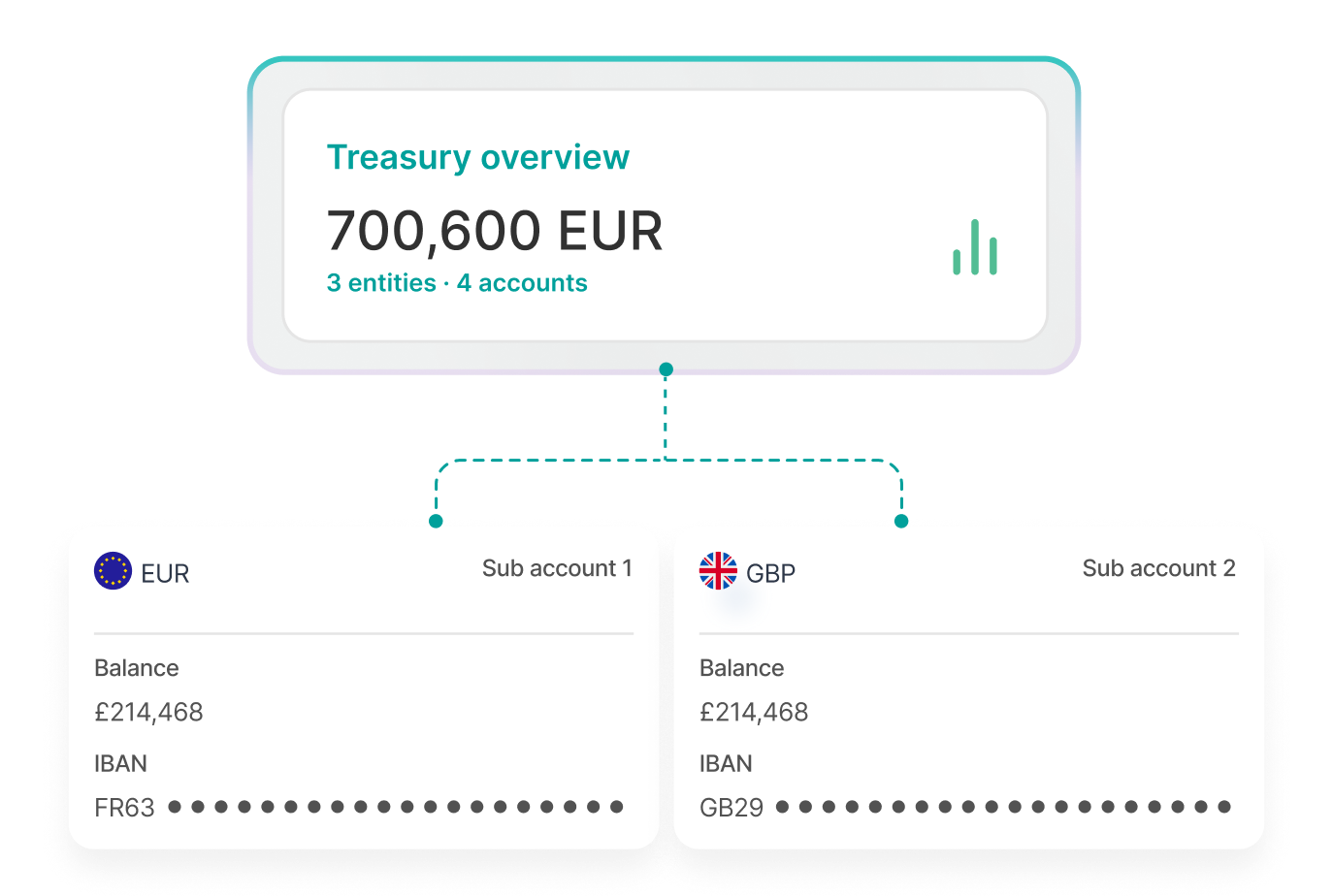
A unified view of balances, flows, and positions across currencies and regions. Treasury management stops being reactive when you can see everything in one place.

Lower operational friction

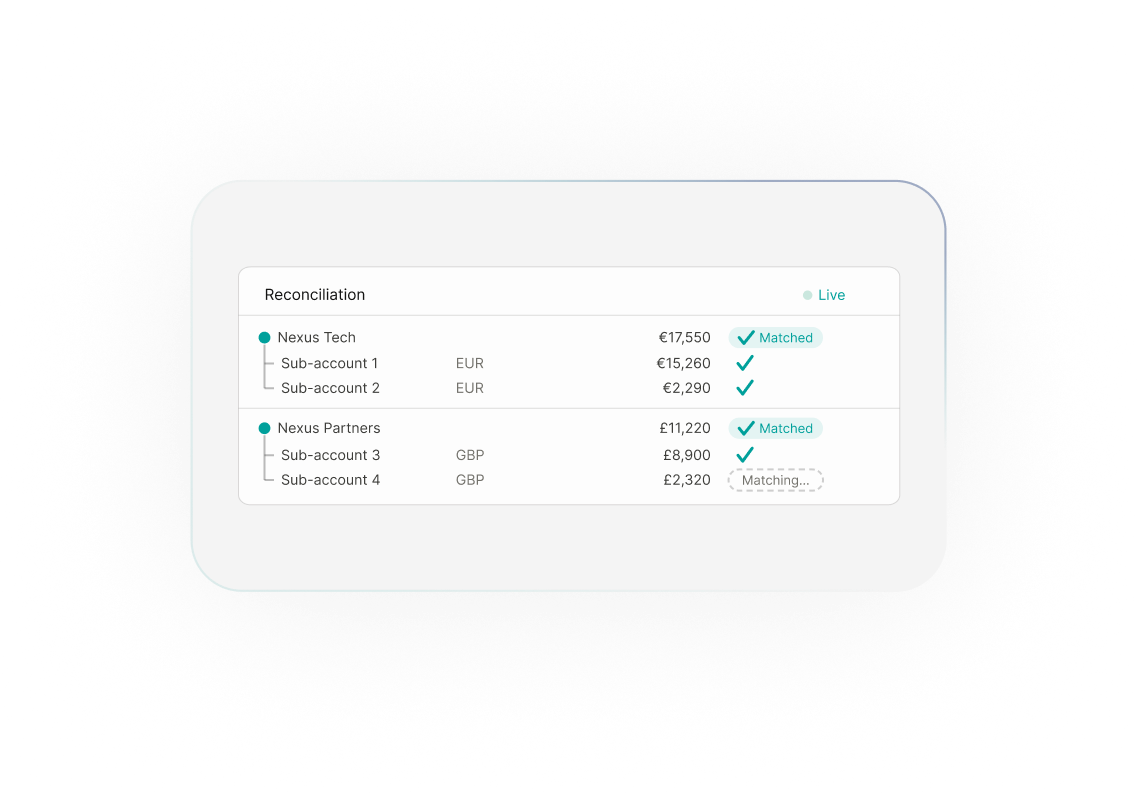
Automated reconciliation, reduced manual processes, and fewer fragmented banking setups, so your treasury team spends time on decisions, not data wrangling.

Flexible global treasury

Support multi-region operations without the complexity of local banking relationships in every market. One platform, 100+ countries, 60+ currencies.

Stronger payment control

Manage funds, dedicated sub-accounts, and reconciliation from a single interface. Build the treasury risk management controls your team actually needs.

Ready to see it in action?

Talk to the team about how Merge fits your specific treasury operations and payment corridors.

Use Cases for Enterprise Stablecoin Treasury

Merge supports treasury rebalancing, payroll, vendor payments, and internal operations. It runs on stablecoin infrastructure, which handles transactions in the background. This reduces transfer times and costs while providing organisations with clearer visibility into fund movement.

Treasury rebalancing across regions
Vendor payments and supplier payouts
Cross-border payroll
Internal treasury operations between entities
Fund segregation and balance visibility

Enterprise-Grade Infrastructure for Treasury Operations

Merge is a regulated payments and treasury infrastructure platform. That means the compliance and regulatory framework is not an add-on; it is the foundation on which the treasury management services are built.


Safeguarded funds at tier-1 banks

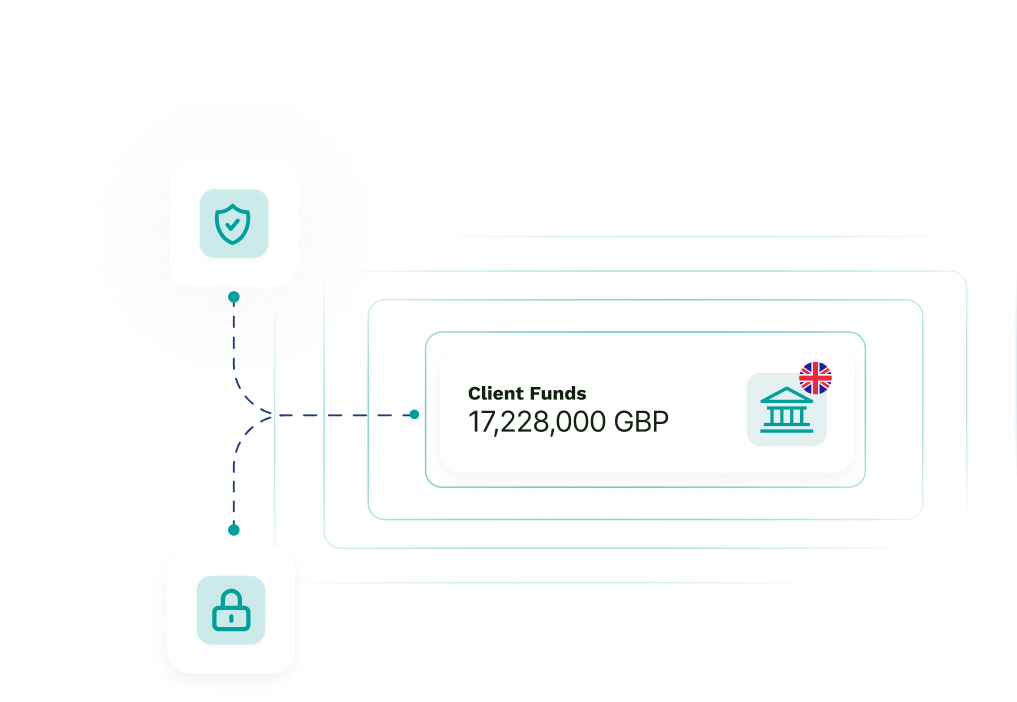
Client funds are held in dedicated, ring-fenced accounts at global tier-1 banks, including the Bank of England and JP Morgan, fully separated from Merge's operational capital.

KYB, KYT, PEP & sanctions screening

Every onboarding and transaction goes through Know Your Business, Know Your Transaction, PEP checks, and sanctions screening, built into the platform, not managed externally.

Regulated payment infrastructure

Merge operates as a regulated payment infrastructure across jurisdictions. Treasury risk management compliance is handled at the platform level, so your team does not carry this independently.

Institutional-grade operating model

Maker-checker permissions, full audit trails, dedicated sub-accounts per entity, and API-first architecture designed for enterprise security and governance requirements.

See How Merge Supports Stablecoin Treasury Management

Talk to the team about your treasury operations. We'll show you exactly how Merge fits into your existing infrastructure, and what changes when you move to stablecoin treasury management.

Stablecoins Explained: What They Are and Why They Matter for Treasury

Stablecoins are digital currencies pegged to a stable reference asset, most commonly the US dollar (USDC is the most widely used example in enterprise infrastructure). Unlike Bitcoin or Ether, stablecoins do not fluctuate in value relative to their peg, which makes them suitable for treasury operations that require predictability.

Read more

As a form of blockchain infrastructure, stablecoin transfers settle near-instantly, operate 24/7, and do not depend on the correspondent banking networks that create delays and costs in traditional cross-border payments.

In modern global treasury management, that combination, price stability, programmability, and real-time settlement, is what makes stablecoins relevant to enterprise treasury teams rather than to retail investors or traders.

For a fuller explanation: what is a stablecoin? It is a blockchain-based asset designed to maintain a stable value, issued and redeemable against a reserve of the underlying currency. USDC, USDT, and EUROC are common examples of stablecoins used in enterprise payment infrastructure today.

How Stablecoin Infrastructure Supports Enterprise Treasury Operations

Six integrated modules. Each one handles a different part of the treasury stack, all accessible through a single API connection.

Treasury management system modernisation

A stablecoin-enabled treasury management system replaces or augments the settlement layer of traditional banking with blockchain infrastructure. This means treasury teams get real-time settlement, programmable payment flows, and consolidated visibility, without needing to redesign their entire treasury management system from scratch. The API-first model means the stablecoin layer integrates into existing treasury platforms rather than replacing them.

Global treasury management

Stablecoin infrastructure removes the dependency on local banking relationships for every corridor. A single API connection to a regulated platform like Merge can replace correspondent banks, currency accounts, and FX desks required in traditional treasury management. This matters for enterprises operating across regions that need to move funds between entities, collect from local markets, and pay across currencies without maintaining local banking infrastructure.

Treasury risk management

One of the underappreciated advantages of stablecoin treasury management is what it does for treasury risk management. Faster settlement reduces counterparty exposure windows. Real-time visibility reduces the risk of operating on stale data. Automated reconciliation reduces operational error. And using a regulated platform with built-in KYB, KYT, and sanctions screening means compliance-related treasury risk is managed at the infrastructure level rather than sitting on the treasury team's to-do list.

What Is Stablecoin Treasury Management?

Stablecoin treasury management is the use of stablecoin infrastructure to carry out core treasury functions, moving funds, managing liquidity, controlling balances, and executing cross-border payments within an enterprise treasury operation. It is a practical operating model, not a financial experiment.

Stablecoin Treasury Management Services for Enterprise: What to Look for

For enterprises evaluating treasury management services, the practical question is not whether stablecoin infrastructure is theoretically better; it is whether a specific platform can handle their payment corridors, comply with their regulatory requirements, and integrate with their existing operations.

Read more

That is where Merge operates. As regulated payments and treasury infrastructure, Merge delivers stablecoin treasury management as a production-ready service: compliance built in, tier-1 bank safeguarding, multi-currency accounts, and local payment rails across 100+ countries. The treasury team does not need to understand blockchain infrastructure to use it. They need a treasury management system that performs. Merge is that system.

FAQ

What is stablecoin treasury management?

The use of stablecoin infrastructure to execute core enterprise treasury functions, moving funds, managing liquidity, and running cross-border payments. Settlement is near-instant and operates on blockchain rails rather than correspondent banking networks. Merge delivers this as regulated infrastructure, so enterprises get the benefits without managing the blockchain layer themselves.

As treasury teams face pressure to accelerate settlement, cut FX costs, and get real-time visibility across their operations, stablecoin treasury management addresses those problems at the infrastructure level. What is treasury management in this context? It is the same function it has always been: managing a company's liquidity, controlling cash flows, and optimising capital across currencies and regions. Stablecoins change how that function is executed, not what it is trying to achieve.

What is treasury management?

The function responsible for managing an enterprise's liquidity, cash flows, and financial risk across currencies and jurisdictions. In practice: managing accounts, executing payments, handling FX exposure, and maintaining visibility over capital positions. A treasury management system is the platform that supports these functions, increasingly with stablecoin infrastructure at its settlement layer.

What is a stablecoin?

A digital currency issued on a blockchain and pegged to a stable reference asset, most commonly the US dollar. Unlike Bitcoin, it is designed to hold a consistent value, making it suitable for payments and treasury operations. USDC, USDT, and EUROC are examples used in enterprise payment infrastructure today.

How does a treasury management system support global treasury management?

By consolidating payments, accounts, and reporting into one platform rather than requiring separate banking relationships per region. Merge combines stablecoin on/off ramp capabilities with local payment rails across 100+ countries through a single API, giving treasury teams multi-currency accounts, 60+ send currencies, and real-time reconciliation in one place.

How do stablecoins fit into treasury management services?

As the settlement layer. When an enterprise moves funds cross-border through Merge, local fiat converts to USDC at the on-ramp, transfers over blockchain rails, then converts back to the destination currency at the off-ramp. The treasury team manages payments and accounts as normal; the stablecoin mechanics run in the background.